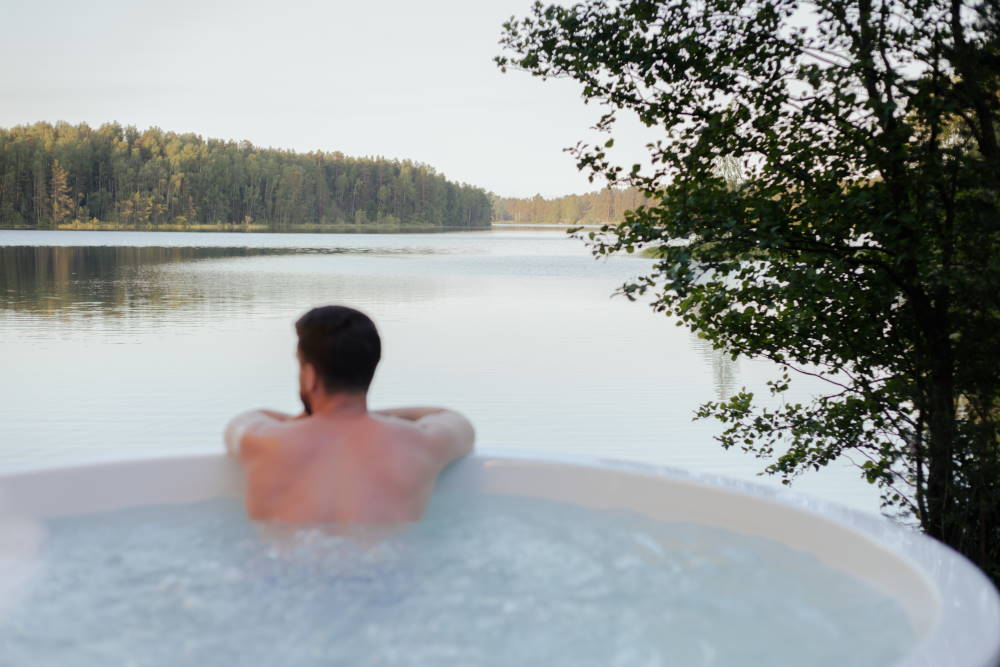
If you’ve ever stepped out into a prairie winter and thought, I’d like to sit in 40-degree water while the moon looks like a flashlight above the frozen river, you’re a Winnipegger at heart. A hot tub isn’t a frivolous purchase here, it’s a lifestyle choice that shrugs at minus-thirty windchill and rewards you for shoveling the driveway. The problem is, new tubs cost real money, and the sticker shock can dampen the dream faster than an ice dam on a roof. That’s why a smart pre-owned pick can be the sweet spot, provided you know where to look and what not to compromise on.
I’ve helped friends, neighbors, and one very stubborn uncle find reliable used spas in and around the city. The market is active, the bargains are real, and the pitfalls are entirely avoidable if you keep your head. Here’s how to shop wisely for hot tubs for sale without getting soaked.
Why the Winnipeg market is uniquely good for pre-owned
A few local realities tilt the odds in your favor. First, turnover is steady. People move, renovate, or reconfigure backyard spaces, and a bulky spa is a prime candidate for resale. Second, Winnipeg Hot Tubs retailers often take trade-ins when customers upgrade, which means there’s a pipeline of professionally inspected units. Third, winter is long, which sounds like a negative until you realize the best tubs are built with cold in mind. When you find a Winnipeg-veteran tub that runs whisper-quiet through January, you’re buying proven reliability, not just a pretty shell.
There’s also timing. Deals show up in late fall before the deep freeze and again in late spring when people list “we never use this” tubs after a long winter. The shoulder seasons tend to have the most realistic pricing, because buyers hesitate and sellers want the space back.
Where to actually find them
Winnipeg has an odd blend of old-school and online hunting grounds. Word-of-mouth still works, because neighbors here know who had their tub winterized properly and who ran extension cords through snowbanks like a science experiment. Still, you’ll cover ground faster by combining sources.
- Local dealers that handle trade-ins. Ask if they do a 20-point or 40-point inspection and whether the work order is available. Good shops keep records and will show you exactly what they replaced. Search phrases like “Hot tubs store near me” and then call instead of relying on the website inventory. Used stock moves quickly. Private sellers listing on regional platforms. Expect scattered details and optimistic pricing, then bring your own checklist. If the ad says “works great, just needs a pump,” translate that to “budget for parts and labor” and verify before you fall in love with the lounger seat.
Those two avenues cover most of the real finds. Auction sites and salvage yards can be fine for parts, but a full tub from those channels usually needs a level of tinkering that’s only fun if your idea of a relaxing Saturday involves epoxy and multimeters.
What separates a good used tub from a headache
Start with the big three: shell, structure, and insulation. If those pass, the rest is repairable.
The shell tells a story. Surface scratches and small blisters are cosmetic, spider cracks around jets are common in older acrylic, and none of that ruins the soak. What you don’t want are deep cracks at corners, stress lines that radiate from lifting points, or soft spots that flex under pressure. Tap the shell with knuckles. A consistent, firm thud is good. Anything hollow, spongy, or rattly suggests voids or past delamination.
Structure lives under the cabinet. Winnipeg’s freeze-thaw cycles punish frames, so look for treated lumber or composite that still feels solid. If you can rock the tub by hand and the frame groans, keep walking. A good frame sits square and resists your shove. Pay attention to the base, too. A rot-free bottom pan with intact drain ports means moisture had a path out rather than lingering and rotting things from below.
Insulation matters more here than almost anywhere in Canada. Full-foam tubs keep operating costs in check during the deep freeze, but they can make leak hunting more tedious. Perimeter-insulated tubs make service easier and can still be efficient, provided the cabinet seals tightly and the equipment bay has a heat return path. In both cases, ask to see the inside. If you smell stale mold or see frost-heaved foam chunks, assume a past leak that was never resolved.
The electrical reality in winter cities
Most Winnipeg installs are hardwired 240V with a 50-amp GFCI. If a seller runs their spa on 120V plug-in, it may be fine for three seasons, but it will struggle to hold temperature once the mercury drops. That’s not inherently a deal-breaker, but factor in an electrician. Typical service panel work and GFCI install runs 800 to 1,800 dollars, depending on distance and whether the panel has room. I’ve seen costs hit 2,500 for long runs or trenching through concrete. Don’t forget you’ll need a shutoff within sight of the tub and proper bonding. DIY electrical in Manitoba winters is a poor hobby.
Price ranges that make sense
Used spa pricing depends less on age than on condition and brand support. I’d rather buy a 10-year-old model from a brand still supplying parts than a five-year-old from a short-lived label. For Winnipeg, reasonable ranges look like this:
- Entry models with basic jetting and a single pump, 1,800 to 3,500, assuming clean shell, no major leaks, and a good cover. Mid-range with dual pumps, better insulation, and LED or waterfall bells, 3,500 to 6,000, depending on service history and dealer backing. Premium brands with recent electronics and full-foam efficiency, 5,500 to 9,000, if they come dealer-serviced with a warranty.
You’ll see outliers at both extremes. A free tub that “just needs a new heater” often needs a lot more, and the crane can cost more than the unit. Conversely, a top-tier pre-owned spa with 12 months of parts-and-labor coverage might be worth a price that makes Kijiji warriors scoff. Lifetime cost is what matters, not the initial dopamine hit from a bargain.
What to check before you hand over cash
You want the tub hot, not just running. A seller who refuses to fill and heat is either in a hurry or hiding something. I like to see a 90-minute warm-up window where the tub climbs predictably. A healthy 5.5 kW heater on 240V will raise temperature about 3 to 6 degrees per hour in a properly insulated tub. If it stagnates at lukewarm, start looking for a circulation issue or a tired heater relay.
Open the equipment bay while it runs. A dry pad under pumps and the heater is a good sign. Slight dampness can be splash. Active drips or hissing foam are red flags. Touch the pump housings, they should be warm, not burning hot. Listen for bearing grind, a kind of gravelly, cyclical noise that hints at replacement time. Examine unions at the heater and pumps. If they show crusted scale or green corrosion, plan for fresh o-rings and possibly new unions.
Electronics are next. Most modern control packs will flash fault codes if sensors disagree or if flow is low. Ask the seller to cycle through modes. Test jets at low and high speeds. Toggle air controls and diverters. If breakers trip, you need a clear resolution and a price that reflects risk.
Covers deserve a minute. A waterlogged cover acts like a wet quilt, sucking heat for breakfast. Pick it up by a corner. If you grunt, it costs you every month. A good replacement runs 500 to 1,000 dollars, more if you want a tapered, high-density core with wind straps. In Winnipeg, that extra density pays back through winter.
Filters are cheap, but they tell you about maintenance. A gray, sludge-coated filter says more than any story about “we always kept the water perfect.” You do not need perfection. You need evidence that someone cared enough to rinse a filter monthly and replace it annually.
The Winnipeg winter test, at home
The real proof comes after you install. The first deep freeze will test your gaskets, the pump seals, and your electrical. Here’s the drill I recommend during your first cold snap.
- Let the tub run a full week in eco mode, record its daily temperature drop with the cover on and off for ten minutes. If you lose more than 2 degrees in ten minutes, wind is getting under the skirt or the cover is tired. Check your power consumption using your utility’s daily reads or a clamp meter before and after install. A typical mid-size, well-insulated tub in Winnipeg cold may average 6 to 10 kWh per day in February if used modestly. Spikes to 15 are normal after a big soak with jets blasting and cover off. If you see 20-plus daily without heavy use, you have insulation gaps or a heater cycling due to a flow issue.
That one-two check gives you early warning before you get your March bill and decide you hate hot tubs.
Brand realities, parts, and the long game
People get chatty about brands. You’ll hear stories about tubs that ran flawlessly for 20 years and tubs that died the first winter. The truth is simpler. Brands that maintain parts availability, publish wiring diagrams, and use standard components are easier to live with when something breaks at minus twenty. Balboa and Gecko control packs are serviceable in town. Proprietary oddballs can be fine when new and a headache later. When in doubt, open the bay and read labels. If a local tech can ID the board at a glance, you’re good.
Pumps and heaters are commodity parts. A quality 56-frame pump runs 450 to 900 dollars. A heater assembly is usually 180 to 350. Sensors are 20 to 60. None of that will break the bank, but logistics matter. If you discover a leak in January and have to wait a week for parts, you must winterize quickly or run a space heater in the bay as a stopgap. Family lore contains more than one “we tried the hair dryer” story that ends with cracked plumbing.
Installation mistakes I’ve seen too many times
Poor base prep is number one. A hot tub wants a flat, stable surface, not an optimistic deck corner or the leftover pavers from your barbecue project. Over time, a tub that sits on a gentle slope twists. Doors bind, jets pop, and water lines part company. A compacted gravel pad topped with patio stones works well in our freeze-thaw cycles because it drains. A concrete slab is excellent if pitched slightly away from the house and sealed.
People also underestimate access. Measure every gate and dogleg to the backyard. If you need a crane, your free tub is now a 1,200 dollar tub before you plug it in. I watched one delivery stall because a buyer swore there was “plenty of clearance.” There was, for a toboggan, not a 36-inch-wide spa tilted on its side.
Electrical shortcuts round out the list. Extension cords are not a lifestyle. Nor are undersized breakers. Over a long Winnipeg winter, marginal wiring turns into nuisance trips, then overheated connections, then a call you don’t want to make.
Water care without the drama
Used tubs often arrive with a backstory of chemistry chaos. Start clean. Purge the lines with a biofilm cleaner before your first fill, then drain and refill. Balance alkalinity first, then pH. Stabilize with your chosen sanitizer. Winnipeg water is moderate hardness, but check anyway. A calcium level around 150 to 250 ppm keeps heaters happy and foam down.
Salt systems can be lovely for skin feel, but many pre-owned tubs weren’t designed for high-chloride environments. Check your manual or the dealer’s guidance before you add a salt cell. When in doubt, stick with chlorine or bromine and keep it simple. The best water-care schedule is the one you’ll follow in February when your breath fogs and the path to the tub is a short skating rink.
Dealer-backed pre-owned vs private sale
Both routes can work. A dealer-backed tub typically costs more but might include a 60 to 180-day warranty, delivery, start-up, and a new cover. Private sales can be cheaper, but you carry the risk. If you’re new to spas, the dealer premium buys peace of mind you can feel in your shoulders while you soak.
Ask dealers about the exact scope of their inspection. Did they pressure test after heating? Did they replace shaft seals preventively? What’s the minimum water temperature they test to before calling it good? If the answers are specific rather than salesy, you’re in the right place.
Negotiation that respects both sides
You’re not buying a condo or horse-trading a classic car. The seller wants space and money, you want warmth and reliability. Show up with evidence, not attitude. If the cover is heavy, the diverter leaks, and the right pump whines, price those items. Say so plainly. I’ve had sellers accept 500 less because I handed them a printed quote for a new cover and a pump rebuild. People respond to facts. They shut down at lowball theatrics.
Bring a deposit if you’re serious. The good used tubs don’t linger, and Winnipeggers are pragmatic. A cash retainer and a clear pick-up date beat ten messages from “still interested?” browsers.
The final fit: does this tub suit your winter routine?
A hot tub that matches your life is worth more than a fancier one that doesn’t. If you soak two people most nights, a compact, energy-sipping four-seater with a strong lounge seat can beat a party-sized model that takes an extra hour to heat and hogs yard space. If you host, go bigger, but check bench depth. Short guests hate constantly floating, tall guests hate bent knees. In Winnipeg, where we wear boots half the year, a generous step and sturdy handrail feel like small luxuries that get used daily.
Jets matter less than you think past a certain point. A hundred tiny jets feel impressive for ten minutes, then you start ignoring them. What you’ll value in January is a quiet circulation pump that keeps water polished, a heater that doesn’t hunt, and a cabinet that doesn’t rattle in the wind at 2 a.m.
A short pre-purchase field checklist
- Verify it heats from cold to at least 38 to 40 C without error codes, and holds temperature with the cover on for at least an hour. Open the bay and inspect for dry floor, tight unions, clean wiring, and labeled components from recognizable makers. Test all pumps, diverters, lights, and the topside panel. Listen for bearing noise and watch for weak jet zones that indicate flow obstructions. Lift the cover by a corner. If it feels like a wet mattress, budget for a replacement. Inspect skirts and hinges for cracking. Confirm power requirements and plan the run to your panel. Get a quote before you buy if you’re unsure.
Tape that to your mental clipboard before you get starry-eyed about waterfalls.
Where “Winnipeg Hot Tubs” retailers shine
Local expertise is not just marketing. Shops that sell and service in this climate know which models actually hold up during the polar vortex weeks. They’ve seen the insulation that slumps, the control boards that dislike static shocks in ultra-dry air, and the covers that freeze-weld to flimsy lifters. A good shop will nudge you toward models that balance efficiency with serviceability, not just whatever’s on sale. When you search for a Hot tubs store near me, call and ask a simple question: if a tub leaks in January, what’s your triage? If they have a routine that includes on-site winterizing or heated tent work, they’ve done this dance.
Owning it well: the two habits that matter
Hot tubs don’t ask for much, but they punish neglect. Keep water balanced and the filters clean, and winter will be boring in the best way. I calendar filter rinses every two weeks in heavy-use months and a replacement every 9 to 12 months. I also keep a spare set so I can swap in five minutes and clean at leisure. For chemistry, I check quickly after big parties, because that’s when demand spikes. Routine beats heroics.
The other habit is winter readiness. Before the first hard freeze, check the cover skirt, replace brittle clips, and make sure the cabinet panels fit tight. A roll of high-density weatherstripping around the equipment door can save you real money when the north wind starts testing your craftsmanship.
The soak that makes it worthwhile
There’s a first night with every new-to-you spa when you step outside, the cold lands on your cheeks, and the tub fogs like a kettle. Your yard is quiet, the jets hum, and winter feels like a feature, not a chore. That’s the payoff. You didn’t buy a box of pumps and plumbing. You bought a space where Go to the website you thaw out, talk without screens, and stop thinking about driveway ruts for half an hour.
If you’re hunting hot tubs for sale around Winnipeg, approach it like any good prairie project. Ask around. Trust your eyes more than the ad. Pay for the pieces that count, and don’t overpay for sparkle. The right pre-owned tub will prove itself the first time the temperature dips, and it will keep proving itself until someone else knocks on your gate, peeks over the fence, and asks the question you can now answer with confidence: where did you find that, and would you buy it again?