If you’re scrolling through pages of glossy tubs that all look like marshmallows with cupholders, you’re not alone. Shopping for a hot tub feels simple until it isn’t. The brochures promise waterfalls and wellness. The salespeople promise delivery in time for your birthday. Meanwhile your yard, your electrical panel, and your budget have their own opinions. I’ve helped hundreds of homeowners choose, install, and maintain hot tubs, and I’ve owned more than I should admit. Let’s cut through the steam and get serious about what matters when you spot a hot tub for sale and wonder if it belongs in your backyard.
Start with the space you actually have, not the space you wish you had
Walk your yard with a tape measure, then do it again with a critical eye. A hot tub needs more than an 8-by-8-foot patch of patio. Plan for safe access, an unobstructed service side, and a clear path for delivery. Most units won’t make a tight 90-degree turn through a fence gate unless you remove the gate and sometimes the fence post. If the only path is over your house with a crane, factor that into the cost, because crane rentals often start around a few hundred dollars and can climb if your site is tricky.
Surface matters too. A properly poured, level concrete pad is the gold standard. Composite decks can work, but check the load rating. A filled 7-person tub often weighs 4,000 to 5,500 pounds. I’ve seen decks sag a finger’s width over one summer because no one ran the numbers. If you’re placing it on pavers, make sure the base is compacted, not just pretty. Anything that flexes will cause the cabinet to settle, doors to misalign, and the shell to creak.
Think about sightlines from inside your house. If you can see the tub from the kitchen, you’ll use it more. If you hide it behind the shed, your enthusiasm will hibernate. And plan for privacy. Even social butterflies prefer not to wave at neighbors while wearing a knit cap in January.
The shell and cabinet tell you more than the waterfall feature does
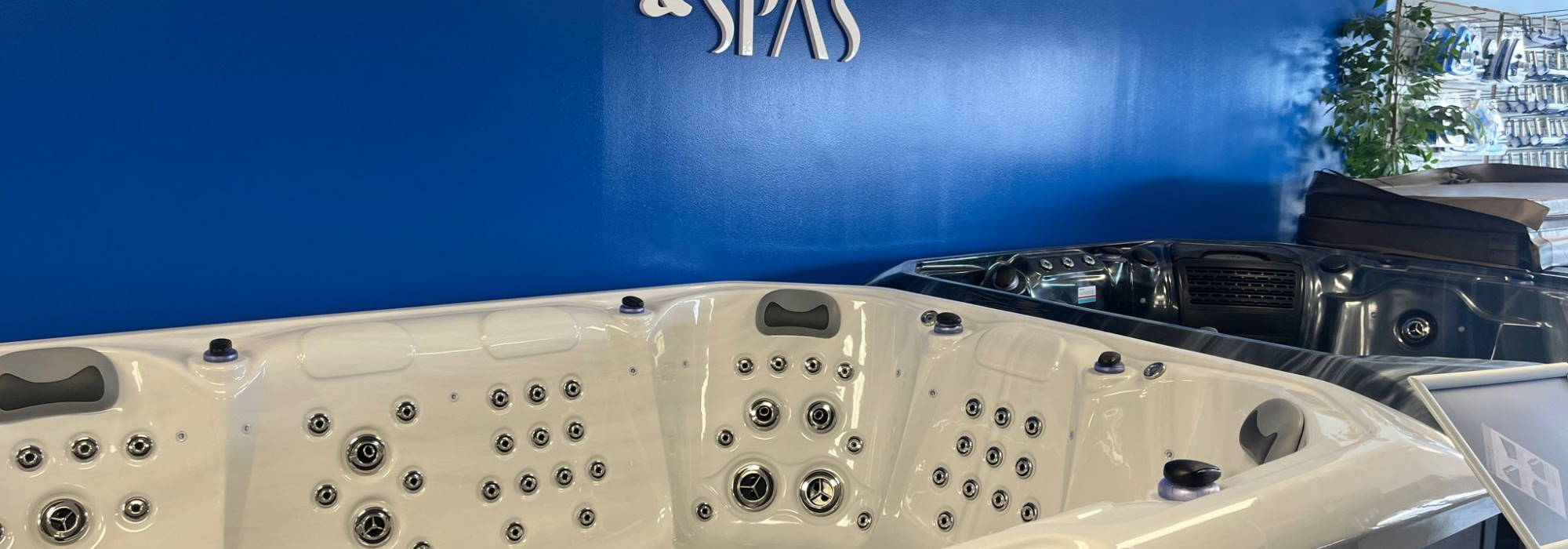
Manufacturers use different shell materials and reinforcement methods. Vacuum-formed acrylic backed by fiberglass or resin remains the standard because it has a good balance of rigidity, lifespan, and finish quality. A high-gloss acrylic shell with a consistent thickness at the edges usually indicates better manufacturing. Thin rims and wavy edges often correlate with lower-end build quality. Rotomolded polyethylene tubs, the dull-textured ones, are tougher than they look and usually cost less. They run quieter and hold heat well thanks to thick walls, but the aesthetics can be spartan, and jet counts tend to be lower.
Cabinetry can be wood, composite, or rotomolded. Wood looks great day one, then it moves, fades, and needs upkeep. Composite panels resist weather and hold screws better over time, which matters when a tech needs to remove the service side and reinstall it without stripping anything. Tap the panel gently; a hollow clack is fine, but a flimsy rattle hints at fasteners backing out after a year of thermal expansion.
Inside the cabinet is where the truth lives. Insulation is not glamorous, yet it’s the difference between a tub that costs you a latte a day in electricity and one that makes you inspect your utility bill. Full-foam designs fill the cavity around the plumbing, which supports the pipes and traps heat. They’re efficient, but repairs can require cutting foam. Thermal wrap styles leave air space around components and use reflective barriers. They are easier to service but can lose more heat if the cabinet isn’t tight. In cold climates, full-foam typically pays for itself. In mild climates, either approach can work if the cover seals well.
Search with the seasons and set a realistic budget
Prices vary more than you think. In spring, pent-up demand collides with delivery queues, and lead times stretch. In late summer and fall, show models go on sale after fairs and home shows. If you’re flexible on color and features, that’s prime time to snag a high-spec tub at a mid-range price. Keep in mind, though, the cheapest sticker isn’t the cheapest ownership. A budget unit with skimpy insulation and a weak cover will cost more to run for a decade than a better-built model priced slightly higher at the start.
When you sketch your budget, separate the tub from the project. The tub might be 7,000 to 15,000 dollars for a quality unit, more for premium brands with therapy credentials, less for a stripped-down rotomolded model. Then add a pad or deck reinforcement, electrical work, possible crane, water treatment gear, steps with a handrail, and a cover lifter. Electrical work is a common surprise. A 240-volt GFCI subpanel, conduit, and a clean run from your main panel can add 800 to 2,500 dollars depending on distance and access, more if your main panel needs an upgrade. That’s not a sales trick, it’s code and safety.
The sweet spot: size, seating, and hydraulics
Let’s decode the numbers. A tub marketed as 7-person rarely seats seven adults in comfort unless everyone is willing to play musical knees. For couples who entertain occasionally, a 6- to 7-foot square with four true corners and one lounge seat is a practical layout. For families with teenagers, skip the lounge. It eats space, and someone’s calves will float anyway. If you love lounging and you’re tall, test in person and bring a towel. A lounge that fits a 5-foot-6 frame will put a 6-foot-2 frame on a slow slide toward the filter.
Jet count is a marketing magnet. A good 35- to 45-jet configuration beats 70 tiny spigots driven by underpowered pumps. Focus on jet size variety and pump horsepower per seat. One dedicated therapy seat with a mix of deep tissue jets and air-bubbler jets plus adjustable flows does more for knotted shoulders than a chorus line of pinpricks.
Important nuance: pump horsepower numbers can be peak ratings, not continuous. A well-designed two-pump system with 4 to 5 continuous horsepower and smart plumbing can outperform a triple-pump circus that splits flow inefficiently. Look for diverter valves that let you send more power to a single seat when you want a proper massage. And check for footwell jets. They matter more than most people expect.
Filtration and sanitation that you’ll actually maintain
Filtration strategy dictates day-to-day maintenance. Skimmer-based filters near the top handle leaves and floating oils better than deep-bay filters. Multiple smaller filters can spread the workload and are easier to rinse than one oversized cartridge you dread wrestling. Ask about 24-hour circulation pumps. A tiny, efficient circ pump quietly moves water through the heater and ozone system without running the big jets. That saves electricity and keeps water clearer.
Sanitizer choices come down to chlorine, bromine, or a saltwater-chlorine system designed for hot tub temperatures. Bromine tolerates heat well and smells gentler to some noses, but tablets can erode parts if you let them sit in the skimmer when the pump is off. Chlorine works brilliantly if you maintain cyanuric acid at a sane level, which is simpler in spas since many use dichlor-then-bleach or low-CYA granular routines. Salt systems are comfortable if the manufacturer’s cell has a good track record and you maintain hardness and pH. I like ozone as a supporting player, not the whole show. UV is helpful but not a license to avoid sanitizer. No system eliminates testing. Plan for a quick water check three times a week and a 15-minute deep clean weekly.
Cover care is part of sanitation. A well-made, tapered cover with a continuous heat seal along the hinge and a thick core keeps steam in and junk out. If the cover sips water and gains weight, your energy cost climbs. Expect to replace a cover every 4 to 6 years in harsh climates, sooner if the tub sits in full sun with no shade.

Energy use that doesn’t ambush your utility bill
Ask for measured standby consumption data if the manufacturer publishes it. If not, use rough math. A well-insulated, mid-size tub kept at 102 degrees in a temperate climate often averages 8 to 15 kWh per day in the coldest months, less in shoulder seasons. Add a few kWh for heavy usage days when you run the jets hot and long. A poor cover and leaky cabinet can push that north of 20. You can tame the bill with a few habits: keep the cover closed when not in use, lock it on windy days, lower setpoint a couple degrees if you miss a week, and schedule filtration cycles during off-peak hours if your utility offers time-of-use pricing.
Heaters matter less than insulation, but stainless steel and titanium elements resist corrosion better. If you live where winter bites, look for freeze protection logic in the controls and a cabinet design that allows a small space heater to help in a power outage without melting anything. That’s the sort of practical detail you hope you never need and thank yourself for when an ice storm knocks out power overnight.
Electronics and controls: friendly beats flashy
Control panels have become mini tablets. Resist the temptation to buy for the prettiest animation. What you need is a reliable main board from a reputable supplier, clear navigation for temperature and cycle scheduling, and a display you can read with wet eyes at night. Wi-Fi modules are convenient if you travel and Learn more want to warm the tub before you get home. They’re also one more thing to troubleshoot when routers change and firmware lags. I like systems that let you set filtration windows, panel lockouts to keep small hands from mischief, and an easy-to-interpret error code list.
Lighting and sound are nice-to-haves, not need-to-haves. Underwater LEDs help at night. Pop-up speakers look cool until they collect water and fail. If you want music, a separate weatherproof Bluetooth speaker is cheaper to replace and sounds just as good.
Wet testing separates fantasy from reality
A showroom lie-down on a dry shell tells you almost nothing. When the water’s in, buoyancy changes your posture. I’ve watched tall buyers fall in love with a lounge until they float up and struggle to stay put. The only way to know is to wet test. Good dealers offer private appointments. Wear a swimsuit and call ahead; the store will warm the tub. Pay attention to how the jets feel at half power and full power, whether you can move between seats without banging shins, and whether the footwell fits your stride. Listen for pump whine and cabinet rattles. If a sales rep hovers with a script, ask for a few quiet minutes. It’s your back and your money.
Brands, warranties, and the dealer who will answer your call
Brand matters, but the dealer matters more. A solid regional dealer with a competent tech team beats an unknown warehouse brand with a toll-free number that rings to a voicemail tree. Read warranties with a highlighter. Look for shell structure coverage of 5 to 10 years, surface finish of at least 3, plumbing parts and labor for 2, and electronics for 2 to 3. Watch for exclusions that void coverage if you use non-approved sanitizers. Ask who handles warranty work and how long parts typically take. If they hedge, assume you’ll wait during busy seasons.
A candid dealer will steer you away from overbuying. I’ve stood in stores and watched the best salespeople talk a couple out of a top-tier unit because their power service couldn’t support it without an expensive panel upgrade. That’s the person you want in your corner when you call in February with a heater error and guests arriving on Saturday.
New versus used, and when a deal is a deal
Every year, someone spots a used hot tub for sale that looks pristine. Used can be a smart route, especially for rotomolded units and well-kept premium brands with service records. The non-negotiables: watch it running, verify all jets and pumps work, check that the heater holds temp for at least 30 minutes, and inspect under the cabinet for leaks or mouse confetti. Hairline cracks around jets can be cosmetic or a warning; you need a pro eye if you’re unsure. Assume you’ll buy a new cover and new filters. Budget for a new GFCI and electrical hookup regardless of what the seller claims.
Refurbished dealer returns can be excellent values. They often include a short warranty and delivery that a private sale won’t. Just make sure the refurb included new seals where needed and a pressure test after insulation was replaced.
The installation day playbook
Successful installs start with clear access. Measure your gate, your path, and your corners with the tub’s diagonal in mind, not just its length and width. On delivery day, protect pavers with plywood. If the tub travels on its side, have the crew set it on the pad, then rotate it carefully. Level within a quarter inch matters. Shim under the base, not under the cabinet shell, and avoid compressible shims that will settle.
Before the electrician leaves, test all functions under load. Run both pumps, turn on heat, and check for nuisance GFCI trips. Label the subpanel clearly. A cover lifter is not optional. Without one, you’ll wrestle a 70-pound, waterlogged sail and stop using the tub. Mount the lifter securely and test the swing before anyone fills the tub. Fill through the filter well if the manual recommends it, which helps push water and air the right direction and avoids airlocks. If an airlock happens, it usually reveals itself as a heater that won’t fire or a whining pump. Crack the union slightly at the pump to burp air with the power off, then retighten.
Daily life with a tub you’ll actually use
I’ve never seen a household use a tub less because it had a lower jet count. I have seen households stop using a tub because the water felt off. Keep a simple kit of test strips, a reliable drop kit for sanity checks, sanitizer, pH adjusters, and a pre-filter for your hose if your water is hard or full of metals. After each soak, a quick sanitizer dose keeps the next soak inviting. Leave the cover open for five minutes while sanitizer off-gasses. That habit alone adds a year to many covers.
Plan a drain and refill every 3 to 4 months, sooner if your bather load is high. Use a shop vac to purge the footwell. If you really want to get the gunk, run a purge product through the plumbing before a drain once a year. Expect the first refill after a purge to need extra filter rinses as loosened biofilm clears.
Red flags and green lights on the showroom floor
A tub that flexes when you press on the shell lip is a red flag. So is a cabinet with visible staples poking out, or sloppy silicone everywhere. A dealer who dodges questions about service response times is another. A green light is a service department with calendars posted, stocked filters, a bin of heater elements, and a tech who will let you peek inside a floor model to see insulation and plumbing layout.
Pay attention to how the dealer talks about water care. If they tell you it’s set-and-forget, walk. If they give you a simple routine and make it sound doable, you’re on the right path. Good water care instructions are precise but not fussy: test, tiny adjustments, avoid big swings, and keep the filter clean.
A quick reality check on common myths
More jets are not always better. A well-plumbed 40-jet system with proper flow beats 80 ports splitting a weak stream. Bigger horsepower numbers aren’t meaningful without context; continuous horsepower and head pressure characteristics matter more than the shiny peak rating. Saltwater tubs aren’t maintenance-free, they’re chlorine tubs that generate chlorine on site. And yes, a 120-volt plug-and-play tub can be a good start for renters or tight budgets, but recovery times are slower, and winter performance is modest in cold climates. You can often convert later to 240 volts when you’re ready.
A short, practical shopping checklist
- Verify site access, pad, and electrical capacity before you fall in love with a model. Wet test two contenders, ideally the same day, and take notes on seat comfort and jet feel. Read the warranty and ask who performs service, average response times, and parts availability. Inspect insulation approach, cover quality, and cabinet construction up close, not just in photos. Get the out-the-door price in writing, including delivery, crane if needed, electrical, cover lifter, steps, and starter water care kit.
The final nudge: buy for how you live, not for a brochure photo
A great hot tub does two things well. It disappears into your routine, and it delivers comfort on demand. If every soak feels like a small hassle, you’ll stop. If it’s warm when you want it, clear when you look at it, and easy to keep that way, you’ll use it year-round. That requires choosing honestly. If you’re a nightly soaker who works at a desk and wants deep shoulder therapy, prioritize a strong therapy seat, insulation, and a quiet circ pump. If you’re a weekend entertainer, pick open seating, robust footwell space, and a sturdy step with a rail. If you’re a minimalist, a clean rotomolded tub with a good cover and simple controls will outlast your interest in twinkle-light cupholders.
One last buying tactic: when you see a hot tub for sale that seems perfect, sleep on it. Good dealers honor quotes for a few days. Spend that time double-checking the path from street to pad, confirming panel capacity with an electrician if needed, and picturing yourself using the tub on a random Tuesday in February. If that image makes you smile and the math fits, you’re not buying a tub, you’re buying cadence and comfort. And that, more than waterfalls or LED choreography, is what you’ll still care about in five winters.