January in Winnipeg does not whisper. It announces itself with a hum from your furnace, the crunch of boots on cold snow, and the kind of sky that makes you dream of steam. A hot tub in this city is not a summer luxury. It is a year-round anchor, a heat island where friends thaw out, shoulders unknot, and the day resets. But dropping a spa into your yard without a plan is like parking a pickup in a living room. It needs a setting that suits it, a rhythm that ties it to the rest of your home and landscape, and a strategy for surviving our climate without an energy bill that makes you wince.
I have installed, designed around, and maintained more tubs than I can count, from simple plug-and-play four-seaters to eight-person energy hogs with more jets than a 90s shopping channel infomercial. The tubs that work best in Winnipeg share two traits. They are chosen for their purpose, and they are matched to their landscapes with intent. If you are scrolling “hot tubs for sale” and “hot tubs store near me,” take a beat. Think about where it goes, how it looks in February at night and July at noon, and what it will demand from you. The right fit saves money, avoids headaches, and looks like it belonged there all along.
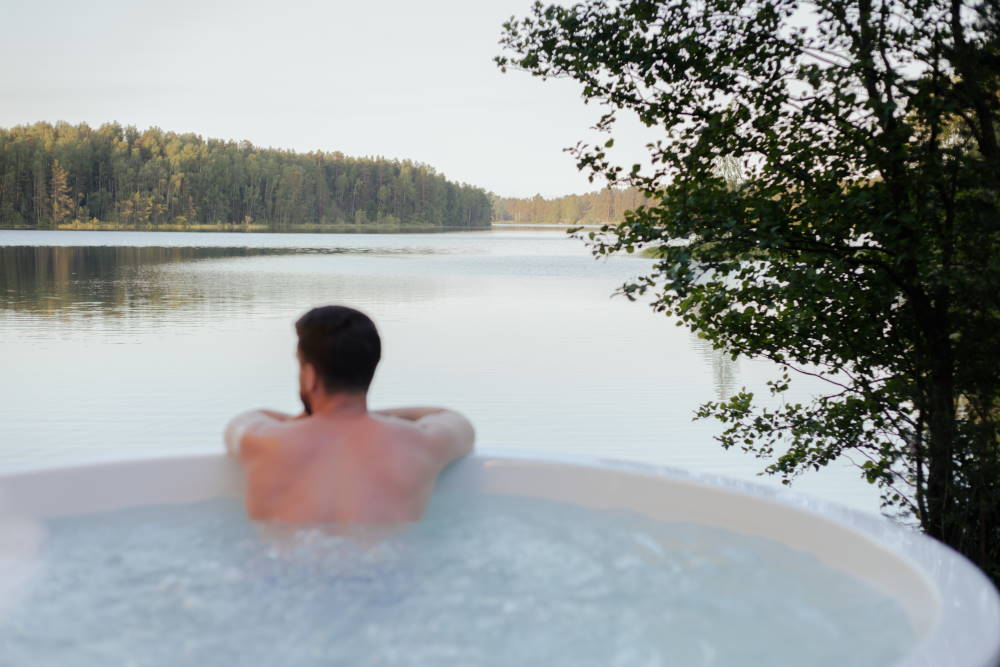
Start with why, not what
Before brand names and jet counts, figure out how you will actually use the tub. If you try to do everything, you will end up with too much tub in the wrong spot. I’ve watched families buy giant eight-seaters for “future parties” that never happen, then watch their Hydro bill climb through the ceiling. On the flip side, I’ve seen small tubs that became the most-used room in the home because they were placed perfectly and fit the routine of the people who lived there.
- Quick personal ritual: If you plan to sneak outside for 20 quiet minutes after dinner and before bed, choose a tub with good headrests, focused back jets, and a low step-in height. Place it close to the house, sheltered from wind. The walk matters when it is minus 25 with a northwest gust. Social orbit: If you host often, prioritize open seating over lounge seats, and keep the path from the kitchen short. No one wants to carry charcuterie down an icy path. Recovery over relaxation: For athletes or sore backs, you need stronger pumps, adjustable jets, and legroom. It might be less pretty, but you will use it more.
Knowing your purpose shapes size, placement, and the look you are going for. A minimalist courtyard calls for a quiet silhouette. A rustic backyard can handle a cedar-clad cube that reads like a woodsy sauna cousin.
Winnipeg climate is not a footnote
You can buy a bargain tub that looks fine in a showroom, then watch it struggle all winter. This city punishes bad insulation and poor covers. Heat loss is not just cost; it is comfort. When a tub takes forever to recover between soaks, you stop using it.
Look for full-foam insulation that fills cavities around the shell, not thin blankets that sag over time. Ask to see a cross-section, not a brochure promise. A well-insulated tub can hold temperature in a blizzard with surprisingly little input. The cover might matter more than the shell. I tell clients to treat the cover like a second front door. High-density foam, reinforced hinge, and a tapered design that sheds snow make a visible difference. Two inches of snow piled on a flimsy cover is a space heater for the clouds.
The number that matters as much as jets and seating is standby consumption, which quality manufacturers will provide. You want a tub that sips power at rest. In real terms, a good spa might average 150 to 350 kWh per month in winter depending on size and usage, while a leaky one can double that. Over five winters, the gap pays for an upgrade.
Place it where people will actually go
I have moved more tubs 10 feet than I care to admit, because in February that 10 feet turns into “let’s skip it tonight.” The best spot is the one you will choose at 10 p.m. when the hockey game runs long and the weather app says it feels like minus 30.
Get honest about wind. In Winnipeg, the winter bully is the northwest wind. If you can tuck the tub into the leeward side of a fence or a corner of the house, the temperature will feel ten degrees friendlier. Add a privacy screen that filters wind, not a solid wall that creates eddies. A louvered cedar panel or perforated metal screen is perfect. Solid panels turn gusts into swirling cold that snatches towels.
Think about snow. Your tub needs two clear zones: a path from the door and a service access side for maintenance. The shovel route becomes a habit, and habits decide whether you use the tub. Make the path short and straight, light it, and use a textured shovel-friendly surface. Pavers get slick; a broom-finish concrete strip or composite decking with a grit inlay stays grippy. If you are set on pavers, choose a textured slab and polymeric sand that resists frost heave.
Lighting does more than look nice. Warm, indirect light gets you outside and keeps you there. I like low-voltage path lights on 12-inch stems set back from the edge, so snow removal does not decapitate them. A single shielded sconce by the back door helps the exit feel like a choice, not an ordeal. Skip harsh blue LED ribbons. Your pupils will thank you when you return inside.
Deck, patio, or grade: choose your base wisely
Tubs bring concentrated load. A small four-person model dry can weigh 600 to 800 pounds. Fill it and add bodies, and you land well over 3,000 pounds in a footprint the size of a compact car. A deck can handle it if designed for it, but not every deck is a candidate. A floating slab-on-grade pad, properly built, is often the simplest and best approach.
A practical winter-friendly base looks like this: excavate to undisturbed soil or compacted fill, six inches of well-compacted crushed stone, and a 4 to 6 inch reinforced concrete pad, dead level. If you plan a slab, do it a hair larger than the tub, so snow sheds cleanly and the skirting is not wicking puddles. If you crave the look of decking, set a low platform around the pad. You get the wood feel underfoot without asking joists to carry a hot lake.
For existing decks, hire an engineer or an experienced contractor. This is not a spot for guesswork. I have seen half-season decks tilt under load, doors go out of square, and tubs slowly lean until the waterline mocks you. If you must use a deck, keep the tub over beams and posts, not in the middle of a span, and shorten joist spans where possible. Top it with composite that shrugs off freeze-thaw and resists splintering when wet.
Access and maintenance, the unglamorous heroes
Every tub will eventually need attention. Pumps wear, sensors fail, rodents test their luck. If your spa is boxed in by stone walls and a garden, your service tech will look at you the way a plumber looks at a sink glued to the counter. Leave at least two feet of clear space on the main access panel side. If the tub is recessed, design removable panels or an access hatch. I have seen beautiful setups rendered useless by a $50 sensor, because no one could reach it without dismantling a deck.
Plan for water. You will drain and refill the tub three to four times a year if you are diligent. In Winnipeg, do not drain onto a walkway where it will freeze into a lawsuit. Route the drain to a safe area or tie a temporary hose into a garden bed that can catch the flush in shoulder season. Inside winter, use a submersible pump and move water efficiently. Set a hook inside the cover for a hose, coil, and test kit so you are not hunting in the garage.
Make it look like it belongs
A hot tub’s shape is a gift and a challenge. A square or rectangle wants lines to sit with. Use them. A tub set on a diagonal in the middle of a prairie-style yard looks like a dropped crate. Align the spa edges with a fence, wall, or patio joint pattern. Even a small coherence trick, like running decking boards parallel to a tub Swim and Spas side, makes the installation read as planned.
Materials make the vibe. In Winnipeg, modern materials hold up better than cottage nostalgia unless you commit to maintenance. Cedar cladding is gorgeous fresh, but winter hardens it. If you choose wood wraps, oil them each spring and fall, and expect a patina. If that sounds like a chore, consider powder-coated aluminum skirts that mimic wood grain convincingly. Composite planters in a warm tone can soften the industrial feel without rot.
Your landscape does not need a full renovation to welcome a spa. A simple three-part palette is enough: one structural material for the base or surround, one soft material like evergreen shrubs or grasses, and one accent in lighting or a screen. Keep the tub skin as a neutral anchor. If you must do a color, pick something you will not hate in five years. Espresso and charcoal age kindly. Brighter colors date fast and make cover replacements tricky.
Shelter and privacy that breathe
Winnipeg wind is a character in this story. So is the neighbor who salt-and-peppers their deck all summer. Privacy screens, pergolas, and corner shelters make a tub feel like a destination, but heavy structures can trap steam and make the area clammy. I lean toward partial covers that allow air to move. A pergola with slats set at 60 degrees gives you protection from overhead snow dumps and still lets steam up. If you want a full roof, raise it, leave side gaps, and avoid solid curtains that will turn brittle in the cold.
Planting can do heavy privacy work with less mass. Swedish columnar aspens fit narrow gaps and grow fast, though they rattle in the wind. For evergreen coverage, consider upright cedars on the leeward sides where they will not stand in hard north blasts all winter. In a 6 to 8 foot bed, a staggered row of three to five evergreens wrapped by ornamental grasses reads cozy in winter and alive in summer. Just keep plant roots and soil away from the tub skirt to avoid moisture damage.
Lighting like a stage, not a stadium
You will use the tub most at night from October through March. Think of the scene. Low, warm light along the path, a dim glow near the steps, and maybe a soft uplight on a screen or small tree. Keep the tub’s built-in color LEDs on warm white if possible; rotating rainbow settings are fun for five minutes and fatiguing thereafter. Aim fixtures away from eyes and windows. Shielded step lights and a single 2700K sconce by the door beat a yard of floodlights every time.
Water care in real winter
Cold air is dry, but hot tubs in winter see more body oils, lotions, and occasional stray snow. Your sanitizer works slower in cold water, though your water is not cold, your environment is. Keep routines tight. Winnipeg tap water ranges from moderately hard to hard depending on the season, so balance your alkalinity and hardness before you chase pH. A balanced baseline means fewer swings and fewer chemicals overall.
My practical schedule for most clients is simple. Test twice a week, adjust small, and shock lightly after heavy use. Change filters monthly in winter, not just rinse. Own two sets. Swap, soak the dirty pair in filter cleaner overnight, rinse, and let them dry fully. A dry filter kills more biofilm than a rushed rinse. Draining in January is possible but plan for it. Pick a day near freezing, wind low, and finish refilling before dark. A submersible pump turns a four-hour chore into one, and you minimize the window where exposed plumbing can cool.
Covers that do not fight you
Every cover looks similar until you use it daily in mitts. Invest in a cover lifter with a simple arc that clears your fence and does not chew up space. A hydraulic assist sounds like a luxury, but your shoulders will thank you. Keep a broom near the door to clear snow from the cover before you lift. If you let snow build, it sucks heat, bows the foam, and shortens the cover’s life. Expect to replace a good cover every five to seven years in Winnipeg if you treat it kindly. If it gets waterlogged and heavy, it is not insulating anymore.
Electrical and safety, the quiet essentials
A hot tub is an appliance with water and electricity in the same sentence, so let a licensed electrician do the hookup. In Winnipeg, that means a GFCI-protected circuit, proper wire sizing for the run, and a disconnect within sight of the spa. It also means a permit. The cost of doing it right is not trivial, but it is dwarfed by the cost of doing it wrong. Keep the run inside as much as possible to protect cable from frost movement. If your tub sits far from the panel, factor the copper into your budget. I have seen $1,500 electrical quotes become $3,500 only because the run doubled.
Winnipeg yard archetypes and how to match them
Every neighborhood has its DNA. A spa that looks perfect in Charleswood might feel out of place in Fort Rouge. Use the yard you have as a cue, not a constraint.
Bungalow with a modest backyard and an existing deck: The best move is often a slab just off the deck, level with the lowest step, with a short screen on the wind side. Wrap the slab with a small composite platform so it reads as one surface. Choose a mid-size tub, open seating. Position it so the cover lifts toward the nearest lot line for privacy.
New infill with narrow lot and full sun: Consider a compact rectangular tub set against a side fence with a louvered screen. Use large-format pavers to make the area feel bigger. Add a single tree, perhaps a columnar oak or a hardy hornbeam, to give height and shade. Keep lines crisp and the palette restrained. The modern house will appreciate it.
Mature yard with big trees and established beds: Nestle the tub at the edge of a patio inside an existing bed line, but keep roots in mind. Avoid placing the slab on a web of big roots. Build a low stone surround that doubles as seating. Let the materials echo what is already there. If you have old brick, continue its rhythm rather than fight it, maybe with a complementary color in the surround.
Riverside or wind-exposed property: Wind screens become non-negotiable. Place the tub in the lee of the house or garage, and build a two-sided wind fence that steps down to avoid turbulence. Choose a tub with an excellent cover seal and consider a cover cap for extreme nights. Keep the path as short as possible and well lit.
Budgets that reflect the whole picture
People fixate on the tub price and then stumble through surprise costs. A realistic Winnipeg budget for a quality, energy-conscious setup breaks into parts. The spa itself ranges widely. A solid mid-range unit with good insulation might land in the 9 to 14 thousand range, with premium models upwards from there. The base and site work can be 2 to 6 thousand depending on slab, decking, and screening. Electrical can run 1 to 4 thousand depending on distance to panel and complexity. Lighting, planters, and finishes add as much as you let them, but even a modest 1 to 2 thousand improves the daily experience dramatically.
If the numbers feel tight, spend on insulation, cover quality, and base integrity before extras. LED waterfalls and app control are nice. A tub that holds heat, drains properly, and sits rock solid is nicer.
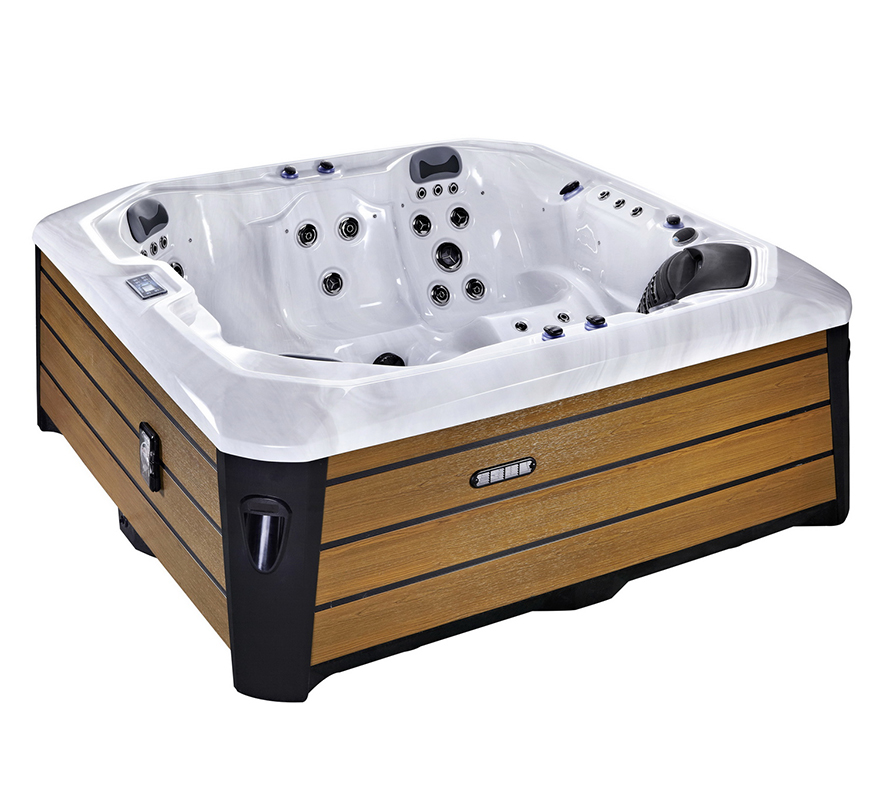
Where to shop without losing your Saturday
Search terms like Winnipeg Hot Tubs or hot tubs for sale will turn up a mix of specialty retailers, big-box options, and private sellers. Big boxes can tempt with price, but you might be on your own when you need a part in February. Specialty shops may cost more up front but usually carry brands tested in cold climates, keep parts in stock, and know the quirks of our permits and power. If you type hot tubs store near me and see a place that stocks full-foam models, has real cover lifters on display, and an installer who can talk half an hour about wind direction, you have found a good one.
When you visit, ask to see the insulation method, not just the cabinet. Ask about standby draw numbers in winter, not just pump horsepower. Ask to lift a cover with a lifter. Ask which models they have serviced for a decade. The way a salesperson answers these says more than a brochure ever could.
The art of integration: small moves that matter
Two or three small moves can pull the whole scene together. A built-in bench near the tub gives people a place to sit, towel off, and cool down. A small shelf near the door keeps slippers dry. A dark rubber mat just inside the house saves your floors. A robe hook inches from the tub edge turns “I forgot my towel” into a non-event. In winter, a small outdoor bin for sandals and hats limits the hunt.
Sound plays a role. I am not talking about a Bluetooth speaker welded to the cabinet. If you want music, mount a small weatherproof speaker by the house and keep the volume low. A little instrumental under the wind and steam sets the evening without turning your yard into a dance floor.
How to simplify year five, not just day one
New tubs are easy to love. Year five is when habits win. Automate what can be automated. A simple outdoor smart switch on path lights tied to sunset makes the route inviting without thought. Keep a tote of winter tools by the back door: broom, mitts, de-icer that is safe for concrete. Buy consumables in twos, from filters to test reagents, so you are never stuck. Mark quarter-year reminders to drain in your calendar based on your usage pattern, not random months. After a big holiday stretch of use, reset the water early rather than fight chemistry for weeks.

When a part fails, and something always does, do not wait. Cold amplifies small issues. A slow leak in October becomes a freeze risk in January. If your pump makes a new noise, call the shop. A simple bearing or seal swap now keeps your shell happy long term.
Putting it all together
Here is a quick reality check to run before you buy and build:
- Walk the path from your door to the planned tub spot on a cold, windy night. If you hesitate, move it closer or add shelter. Stand where you think the tub will sit and look around at eye level. Imagine the cover in its open position. Does it block or create privacy? Sketch the footprint on the ground with rope or chalk. Include space for the cover lifter and service access. If anything crowds, adjust now, not later.
When a tub finds its place, the yard shifts. The hot water and steam become part of the house’s daily life. In summer, it is a last-light soak under mosquitoes’ polite perimeter lights. In winter, it is your stubborn refusal to surrender to the cold. Matched to your landscape, a spa stops looking like a big plastic appliance and starts feeling like a room with no ceiling.
If you are sifting through Winnipeg Hot Tubs options or scanning hot tubs for sale to see what might fit your budget, keep your eye on how the whole scene will function. Find a hot tubs store near me that understands wind, snow loads, electrical codes, and the distance from your kitchen door to the back fence. Choose the tub for how you will use it, design the setting for how you will live with it, and let the rest settle into place.
When the first real cold snap hits, you will slide into the water, hear the world go quiet, and know you built the right kind of winter.